
MS Dhoni remains one of the most influential captains in cricket history, known for a leadership approach built on composure, clarity, and situational awareness. His tenure as captain coincided with a transformative phase in Indian cricket, where the team transitioned into a consistently competitive force across all formats. Dhoni’s leadership was not defined by visible aggression or constant tactical experimentation, but by a calm and methodical approach that often proved effective in high-pressure situations.
MS Dhoni Captaincy Record holds long-term significance because it connects match results with leadership temperament, decision-making under pressure, and the ability to manage complex game scenarios. His captaincy extended beyond statistical success, influencing team confidence, match awareness, and tournament execution. Across Test cricket, One Day Internationals, and Twenty20 Internationals, Dhoni developed a leadership model that remains widely studied in modern cricket.
How MS Dhoni Became India’s Long Term Leader
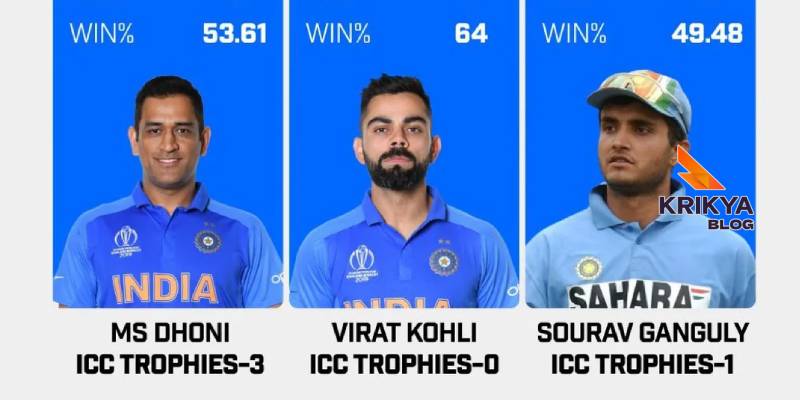
MS Dhoni’s rise to captaincy was unconventional compared to many of his predecessors. He was not initially seen as a traditional leadership candidate based on seniority or classical technique. However, his composure, decision-making ability, and calm presence under pressure quickly established him as a reliable leader in the Indian setup.
When analyzing MS Dhoni Captaincy Record, it is important to understand the leadership style he introduced. Dhoni led with minimal visible emotion, often maintaining a neutral expression regardless of match situation. This approach created a sense of stability within the team, particularly during high-pressure phases where emotional reactions could disrupt focus.
His captaincy period also coincided with a phase where Indian Cricket required structured transition. Senior players were nearing the latter stages of their careers, while new talent was being integrated into the squad. Dhoni managed this balance effectively, allowing experienced players to perform while gradually building a new generation of cricketers.
This context adds depth to MS Dhoni Captaincy Record, as his leadership was not limited to match tactics. It also involved long-term team management, role clarity, and the ability to maintain consistency during periods of change.
MS Dhoni Captaincy Record In Test Cricket
Test cricket presents a unique leadership challenge due to its extended duration and complex tactical demands. Captains must manage bowling workloads, session control, field placements, and batting declarations over multiple days. In this format, MS Dhoni Captaincy Record reflects a leadership approach focused on control and adaptability rather than constant aggression.
Dhoni’s Test captaincy often emphasized patience and situational awareness. Rather than forcing outcomes prematurely, he frequently allowed matches to develop before making decisive interventions. This approach worked effectively in home conditions, where spin bowling and controlled field placements became central to India’s strategy.
One of the defining aspects of his Test leadership was his handling of spin resources. India’s strength in spin bowling was maximized through field placements and bowling rotation that maintained pressure without unnecessary risk. Dhoni’s understanding of pitch conditions and batter tendencies contributed significantly to this approach.
The importance of MS Dhoni Captaincy Record in Test cricket also lies in how it reflects India’s transition during his tenure. While results varied in overseas conditions, his leadership helped stabilize the team during a period of generational change and evolving tactical direction.
See more:
- Kane Williamson Captaincy Record – NZ Test, ODI & T20
- Aaron Finch Captaincy Record – Australia T20 & ODI Stats
Why His Test Captaincy Was Context Driven
Dhoni’s Test captaincy is often best understood through context rather than comparison. His decisions were frequently influenced by match conditions, team composition, and long-term planning. This made his leadership style appear conservative at times, but it also ensured that India remained tactically grounded in familiar conditions.
That perspective is essential when evaluating MS Dhoni Captaincy Record in the longest format, where adaptability often outweighs visible aggression.
See more:
- Virat Kohli Captaincy Record – Test, ODI & T20I Stats
- Ricky Ponting Captaincy Record – Australia Cricket Stats
One Day International Leadership And Tournament Success
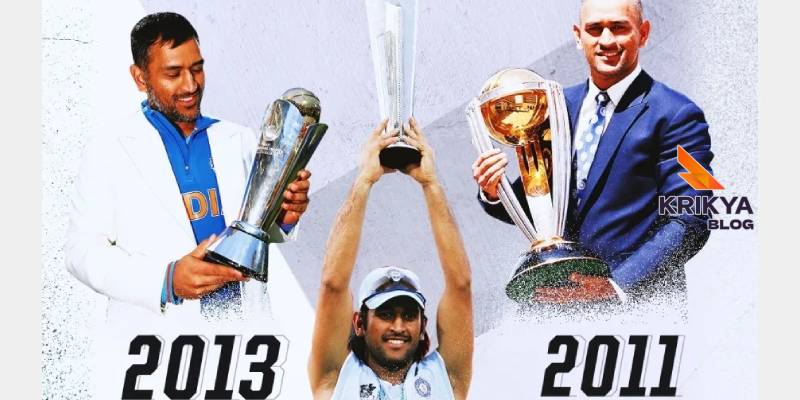
In ODI cricket, Dhoni’s captaincy reached its most recognized level of success. The format suited his leadership style, as it required a balance between long-term planning and short-term execution. The ODI portion of MS Dhoni Captaincy Record is especially significant because it includes major tournament achievements that defined his captaincy era.
India under Dhoni often approached ODI cricket with controlled aggression. The team relied on structured batting depth, calculated run accumulation, and strategic finishing phases. Dhoni himself frequently played a central role in chases, reinforcing his leadership through direct performance.
One of Dhoni’s most notable strengths in ODI captaincy was his ability to manage pressure in the final overs of a match. He often demonstrated a clear understanding of required run rates, field placements, and bowling options, allowing India to remain composed in situations where other teams might lose control.
The significance of MS Dhoni Captaincy Record in ODIs is strongly connected to India’s success in global tournaments. His leadership in high-pressure matches became one of the defining features of his captaincy, reinforcing his reputation as a captain capable of delivering results when stakes were highest.
See more:
How ODI Cricket Defined His Leadership Identity
Dhoni’s ODI captaincy highlighted his ability to remain calm while making critical decisions. This combination of composure and clarity became one of his most recognizable traits and contributed significantly to his success in the format.
For that reason, MS Dhoni Captaincy Record in ODI cricket remains one of the most important components of his overall leadership profile.
See more:
- ICC Cricket World Cup 2026 – Live Betting Odds & Match
- IPL Cricket Betting 2026 – Best Odds & Live Bets BD
T20I Captaincy And Short Format Decision Making
T20 International cricket requires captains to operate within highly compressed timeframes. Decisions must be made quickly, and mistakes can have immediate consequences. Dhoni’s leadership in this format demonstrated his ability to adapt his calm approach to faster-paced scenarios.
The T20 aspect of MS Dhoni Captaincy Record is particularly notable because it includes early success in global tournaments. His captaincy in T20 cricket emphasized clarity of roles, efficient bowling rotation, and a strong understanding of match situations.
India under Dhoni often relied on structured batting roles and flexible bowling strategies. Rather than overcomplicating tactics, he focused on maintaining balance within the team. This allowed players to operate within defined responsibilities, which is often critical in a format where uncertainty can lead to rapid collapse.
Another important feature of MS Dhoni Captaincy Record in T20 cricket is his ability to remain composed during unpredictable match situations. His calm decision-making often helped India recover from difficult positions and maintain competitiveness even in high-pressure contests.
| Format | Leadership Strength |
| Test Cricket | Patience, spin-based control, and situational awareness |
| ODI Cricket | Finishing ability, pressure management, and match control |
| T20I Cricket | Quick decisions, role clarity, and calm under pressure |
Major Achievements That Defined His Captaincy Era
Captaincy is often remembered through milestones, and Dhoni’s tenure includes several defining achievements. These milestones are not only significant for their outcomes but also for how they reflect his leadership approach in high-pressure situations.
The broader importance of MS Dhoni Captaincy Record becomes clear when considering India’s performance in major tournaments. His leadership during these events demonstrated his ability to combine tactical awareness with composure, resulting in consistent success on the global stage.
Another key aspect of his captaincy period was his ability to integrate emerging players into the team. This contributed to the long-term stability of Indian cricket and ensured continuity beyond his tenure as captain.
These achievements highlight why MS Dhoni Captaincy Record remains one of the most respected in cricket history, reflecting both success and sustained influence.
- Led India to major international tournament victories
- Maintained consistency across formats
- Developed a balanced and adaptable team structure
- Combined leadership with effective match-finishing contributions
Leadership Style Team Identity And Lasting Influence
Dhoni’s leadership style was closely tied to composure and clarity. Unlike captains who rely on visible intensity, he demonstrated that calm decision-making could be equally effective. This approach influenced not only match outcomes but also the overall behavior of the team under pressure.
The lasting value of MS Dhoni Captaincy Record lies in how it reflects this unique leadership model. India under Dhoni often appeared stable, even in challenging situations, which is a strong indicator of effective leadership.
He also helped shape a culture of trust within the team. Players were often given defined roles and the confidence to execute them without excessive interference. This contributed to consistent performance and reduced uncertainty during matches.
That is why MS Dhoni Captaincy Record continues to be studied as an example of leadership built on composure, clarity, and strategic awareness.
How MS Dhoni’s Captaincy Record Is Remembered
MS Dhoni Captaincy Record remains significant because it represents a leadership era defined by calm control, tactical balance, and consistent success. His captaincy was not driven by visible intensity alone, but by a deep understanding of match situations and team dynamics.
For readers exploring cricket leadership, player legacy, and structured performance analysis, topics like this continue to hold long-term value on platforms such as krikya11. A profile such as MS Dhoni Captaincy Record is most meaningful when examined through context, tournament performance, and decision-making patterns rather than isolated statistics.
That is why Dhoni’s captaincy remains one of the most referenced examples in modern cricket. Whether viewed through Test adaptability, ODI success, or T20 composure, his record continues to stand as a benchmark for leadership in international cricket, including among audiences following structured cricket content through krikya11.

CEO Marcus Felicity (born 1978) is Founder & CEO of Krikya11, Bangladesh’s leading online casino serving 500K+ players since 2022. With 17+ years in Asia iGaming, including Senior Director at Dafabet (2015-2021) and Regional Manager at Bet365, Marcus holds an MBA from London School of Economics. He won “Asia iGaming CEO of the Year 2023” and “Top 40 Under 40 Asia” (Forbes 2022).
Contact Info:
CEO Marcus Felicity
Website: https://highproteinnutrition.co.uk/ceo-marcus-felicity-krikya11/
Phone: +8801885306657
Address: 90 Shahid Fazlul Haq Rd, Dhaka 1229, Bangladesh
Email: highproteinnutrition.co.uk@gmail.com
#marcusfelicity #ceomarcusfelicity #krikya11ceo #igamingasia #leadership #aiangamingawards #bangladeshbusiness #fintechInnovation