
Cricket Krikya11: Basic Knowledge & How to Play Effectively
Cricket krikya11 is a sport that stands out for its dramatic and highly tactical nature. Players need good observation, reflexes, and the ability to handle situations appropriately. For beginners, understanding the basic rules is an important step toward approaching it more easily. The content below is compiled by Krikya11 to help you get started right.
Cricket Overview at Krikya11
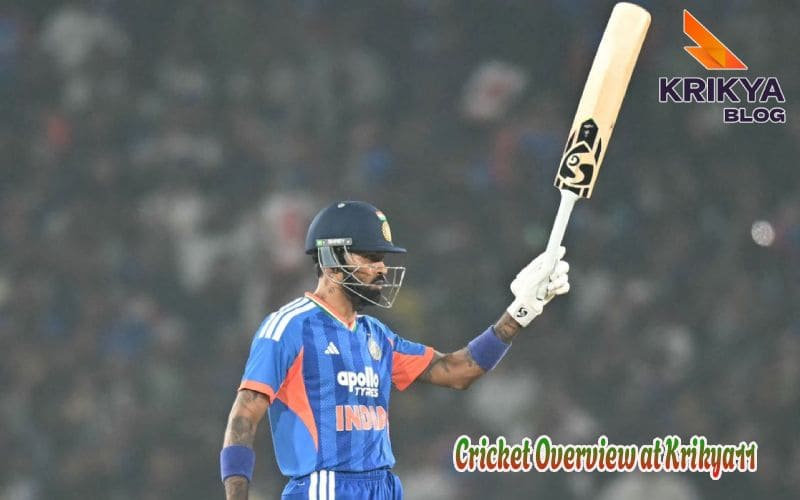
Cricket krikya11 is a highly competitive sport where every ball is tied to an important tactical decision. The game combines individual skill and team coordination, creating a dramatic and unpredictable rhythm. Each position on the field has its own role, contributing to shaping the team’s style of play at each moment.
The appeal of this sport comes from the tempo that can change in just a few moves, keeping players and viewers always caught up in unexpected developments. With formats such as Test, ODI, or T20, the game appeals to a wide range of preferences and is becoming increasingly popular around the world.
Cricket Ground Structure and Lineups at Krikya11
To understand how the game operates, new players should learn about the structure of the field and the responsibilities of each position:
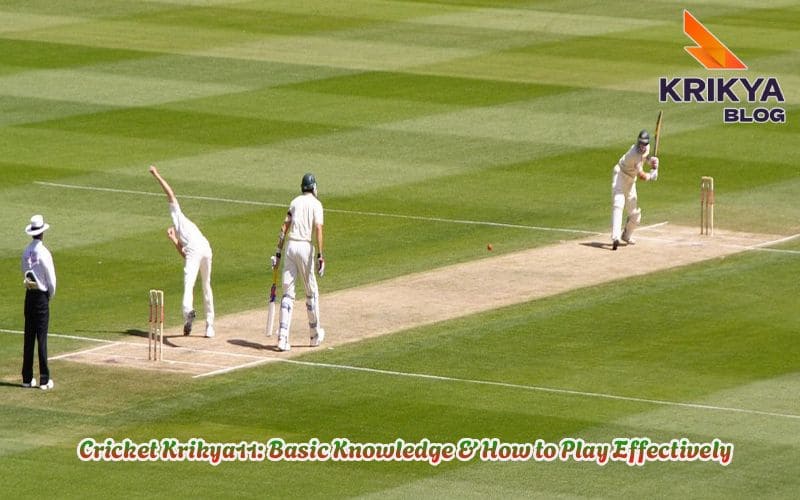
Cricket krikya11 Ground
The pitch is divided into smaller areas, such as the popping crease and bowling crease, which help determine whether a throw or run is valid. Additionally, the condition of the pitch – whether it is hard, wet, dry, or cracked – strongly influences how the ball bounces, which, in turn, directly affects both teams’ tactics.
Some courts are designed to favor spin bowling, while others favor pace bowling, making each game different. The wide perimeters also play a big role in determining whether a four or a six is needed.
Line-up
In the team, each position, such as bowler, wicket-keeper, or all-rounder, has its own role and is selected according to the captain’s tactics. A bowler can be a pace or a spin bowler; each type creates different pressure on the batter. A wicket-keeper plays an important role in blocking the ball and assisting in catching outs at close range.
Fielders are placed in a variety of tactical positions, such as slip, gully, cover, or mid-wicket, to control the preferred direction of play of the opponent. The coordination between these positions largely determines the team’s defensive effectiveness.
Basic Cricket Rules at Krikya11 for Newbies
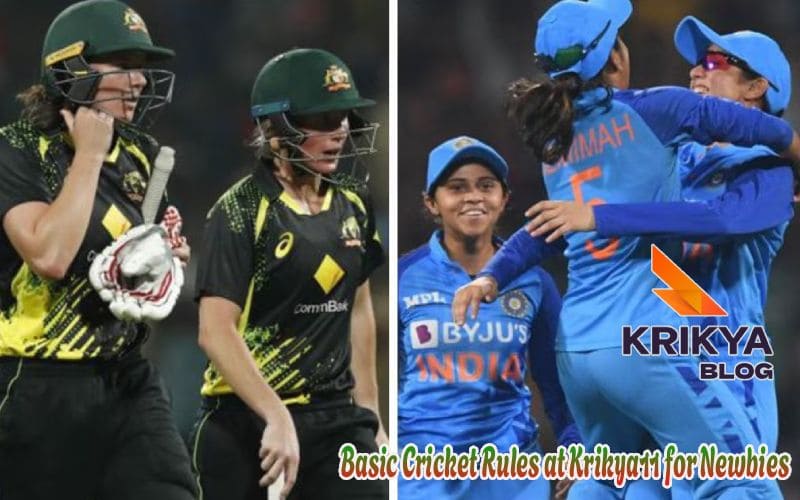
The rules of the game mainly focus on three elements: scoring, losing wickets, and bowling technique. Understanding these principles helps beginners keep up with the action and understand how the game works.
Runs – scores
A batter can score by running between the two ends of the pitch or by hitting the ball out of bounds:
- 4 runs when the ball touches the sideline: occurs when the ball hits the ground first and then rolls or bounces to cross the boundary, usually from a hit with good power but not enough to send the ball flying deep.
- 6 runs when the ball crosses the boundary without touching the ground: the strongest and most accurate hit, where the ball is hit over the field boundary without bouncing, helping the attacking team score quickly and put pressure on the bowler.
Wicket – the deciding factor of victory or defeat
The defending team will attempt to dismiss the batter, and when 10 wickets are lost, the attacking team’s innings ends. The main forms of dismissal include:
- Bowled: when the ball delivered by the bowler hits the wicket (set of three vertical stumps) and knocks over the bails. This demonstrates the bowler’s accuracy in targeting the stumps.
- Catch out: the batter is out if a fielder catches the ball directly before it hits the ground after the batter hits it. This is a common form of dismissal and depends heavily on the fielder’s reflexes.
- Run out: occurs when the batter does not have time to reach a safe position at the crease before the fielders use the ball to break the wicket. This usually happens due to a miscalculation of distance or quick coordination by the defensive team.
Bowling
Bowling is a key skill in Cricket krikya11, determining the pace and direction of each team’s play:
- The bowler controls the tempo of the game through their throwing technique.
- Pace bowling: a style of bowling that uses high speed and accuracy, forcing the batter to react quickly.
- Swing bowling: a bowling style where the ball curves in the air, making it difficult for the batter to judge its path.
- Spin bowling: using wrist or finger force to create spin, causing the ball to change direction after bouncing off the court, effective on dry surfaces.
Popular Cricket Formats in the World at Krikya11
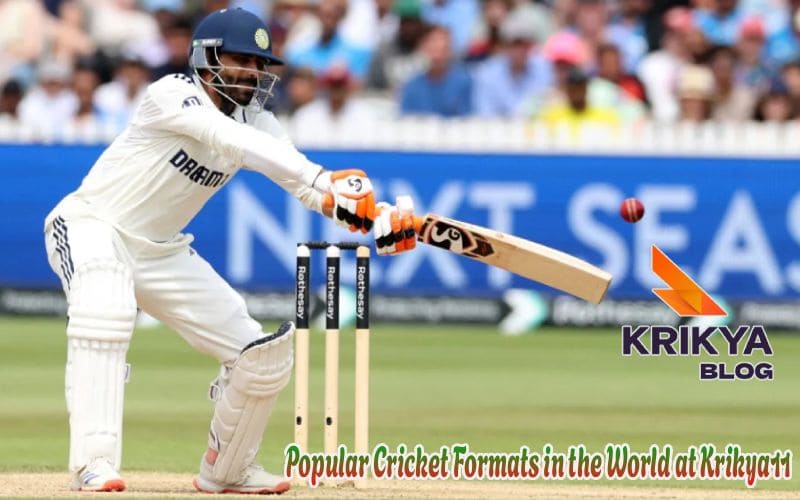
Cricket krikya11 has many different game formats, suitable for both long and fast-paced players. On the platform, players can easily learn the characteristics and tactics of each format to follow or experience more effectively.
Test Cricket Krihya11
Test Cricket krikya11 requires a high level of tenacity and discipline from both teams. Every decision about formation and when to attack or defend can affect the outcome for days. It is also the format that best showcases a player’s true skill, as it relies less on luck and short-term bursts of energy.
ODI – One Day International
In ODIs, teams have to strike a balance between safety and attack, as the number of overs is just enough to build a long-term strategy without slowing the game. Effective wicket management across the Powerplay, mid-game, and late game is key to scoring runs.
T20 – Twenty20
T20 is known for its fast pace and constant scoring. Batters often prioritize powerful shots to maximize the score quickly, while bowlers have to constantly innovate to limit the opponent’s explosive ability. This is a widely loved format because of its high entertainment value and unpredictable scenario.
Important Skills to Play Cricket krikya11 Effectively
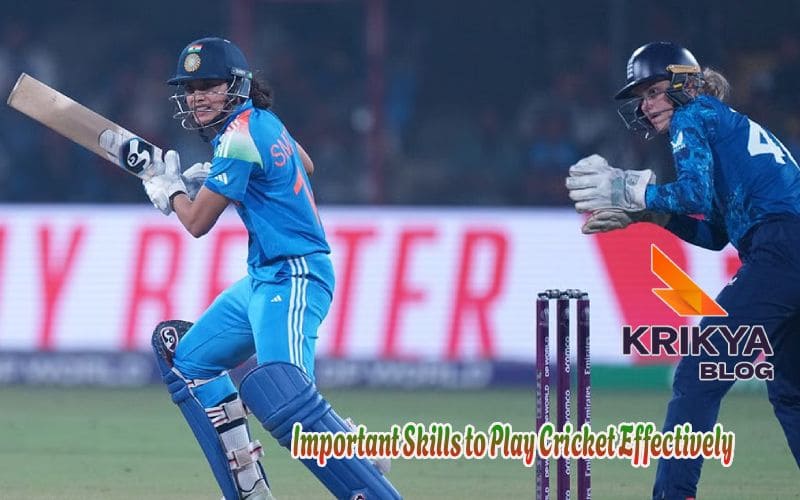
To progress quickly, players need to practice all three skill sets simultaneously: batting, bowling, and fielding.
Batting skills
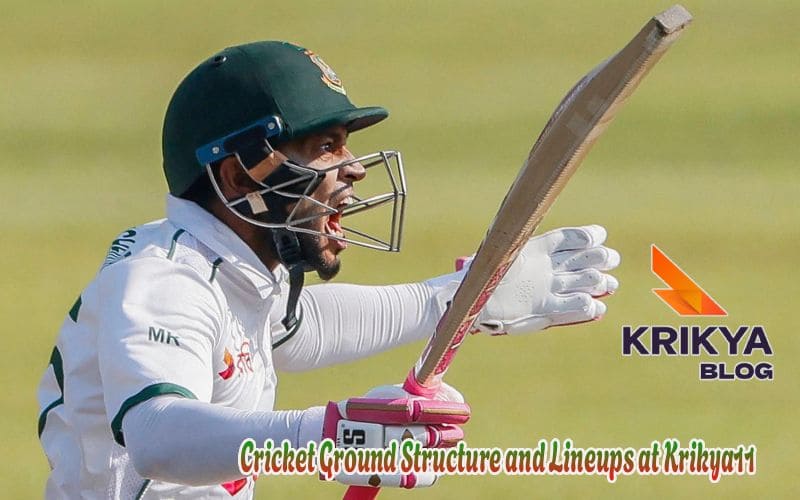
Players need to practice identifying the point of contact to generate consistent power and adjust their stance to respond to each ball type. Improving timing reduces the risk of edges and increases the ability to put the ball in space. Experienced batters also observe the run-up and arm movements of the bowler to predict the ball’s path earlier, thereby choosing a more accurate shot.
Bowling skills
Bowlers need to maintain a consistent run-up to keep each release consistent. Intentional line-length changes make it difficult for the batter to predict and avoid mistakes. Bowlers should also use the pitch conditions – such as moisture or bounce – to choose the right ball. Effective bowlers combine pace, spin, and strategy to control the progression of the over.
Fielding skills
Fielders need to practice reading the ball’s direction from the moment it leaves the bat, which helps shorten reaction time. The skill of throwing the ball accurately to the wicket is an important factor in run-outs. Some positions, such as slip or point, require high concentration because the ball often comes very quickly. A good fielding team not only protects the score but also contributes to turning the game with decisive catches.
Advice for beginners who want to learn Cricket krikya11
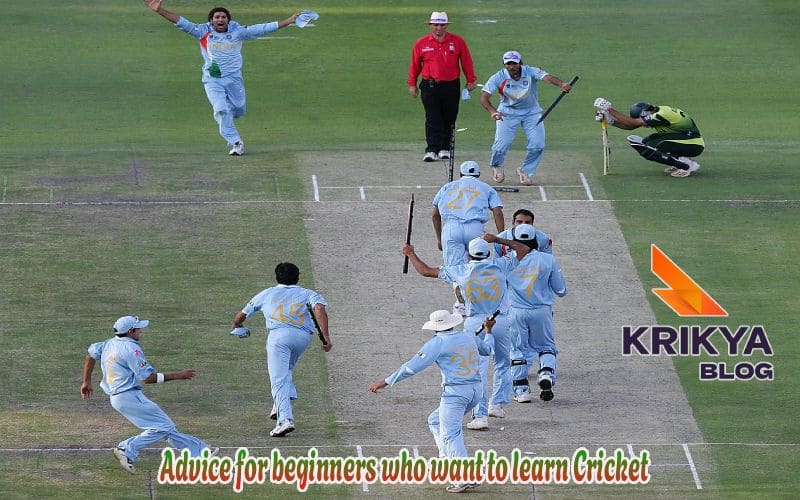
To make this sport more accessible, you can start from:
- Watch T20 matches – short, easy to understand.
- Watch expert match analysis to read tactics.
- Find a practice field and learn the basics of batting and bowling.
- Follow inspirational stories from famous players.
Conclude
Cricket krikya11 is a sport that offers an exciting tactical experience for both beginners and experienced players. Once you understand the basics, you will be more confident in your ability to watch and practice. The article’s information helps you clearly orient yourself from the beginning. The content shared by Krikya11 hopes to accompany you on your journey to learn this sport.