
How to Bet on Cycling begins with understanding that cycling is not a single sport format but a family of disciplines with different race structures, scoring logic, and performance drivers. A one-day classic, a stage race, and a time trial can produce completely different market behaviors even when the same athletes are involved. Cycling betting is also shaped by team tactics, route profiles, weather exposure, and in-race incidents that can change outcomes quickly.
How to Bet on Cycling is most effectively approached by separating race context from market selection. The same roster of riders can be priced differently depending on the terrain and the team strategy that is expected to control key moments. Odds movement tends to reflect confirmed start lists, course details, and early market sentiment, while in-play prices can react to breakaways, time gaps, crashes, and changes in pace. A structured overview of race types, data signals, markets, and settlement rules provides a reliable framework for interpreting cycling lines.
How Cycling Race Formats Shape Betting Value

How to Bet on Cycling depends heavily on identifying the race format because different formats reward different rider attributes. One-day races are settled on a single finishing order and often hinge on positioning, timing, and the ability to respond to late attacks. Stage races, by contrast, combine multiple days of racing where overall results are determined by cumulative time, making consistency and team support more influential.
Time trials are the most individual format, where drafting is generally limited and pacing discipline can be decisive. Mountain stages emphasize climbing ability and team support for leaders, while flat stages may be defined by sprint trains and the control of breakaways. Track and cyclocross formats introduce additional rule and surface considerations, but road cycling remains the most common Cricket betting category in many sportsbooks.
For market interpretation, the key distinction is whether a wager is settled on a single stage, a single-day race, or the general classification in a multi-stage event. A rider who is not expected to compete for overall time can still be a strong candidate in stage winner markets, while a general classification favorite can be priced primarily on time management and team strength rather than on sprint speed.
Team Tactics And Rider Roles In Road Cycling
How to Bet on Cycling becomes clearer when rider roles are treated as the building blocks of outcomes. Road cycling is contested by teams, even though individual riders are listed as winners. Domestiques protect leaders, chase breakaways, and set tempo on climbs. Sprinters rely on lead-out support to position for the final meters, while climbers depend on pacing and shelter to conserve energy until decisive gradients.
Rider roles typically include leaders for general classification, sprinters for flat finishes, climbers for mountain stages, puncheurs for short steep terrain, and time trial specialists for individual efforts. A single team can target multiple objectives, but most race plans prioritize one primary outcome. Market pricing often reflects this hierarchy, especially in stage races where teams may trade stage ambitions for overall time protection.
Team depth matters because control of a race is expensive. A strong team can manage breakaway time gaps, protect a leader through crosswinds, and deliver positioning before narrow climbs. A weaker team may be forced into reactive riding, which can increase variance in stage outcomes and create higher probability for opportunistic moves to succeed.
See more:
Course Profiles Weather And Key Performance Indicators

How to Bet on Cycling is strongly influenced by route profile because terrain determines which energy systems are stressed. Climbing stages reward sustained power-to-weight and pacing, while flat stages reward top-end sprint speed and positioning. Rolling stages can produce selective sprints where punchy accelerations and repeated efforts matter more than pure sprint trains.
Wind is a critical variable. Crosswinds can produce echelons that split the peloton, creating time gaps that matter for both stage winners and general classification outcomes. Rain can increase crash risk and reduce cornering confidence, affecting technical descents and wet sprints. Heat can increase dehydration stress, altering performance on long climbs and increasing attrition late in stages.
Key indicators typically used to interpret cyclist suitability include recent results on similar terrain, climbing consistency, time trial performance trends, and team support quality. Recovery capacity is also central in stage races, where consecutive hard days can shift performance. In multi-week tours, fatigue can reshape the hierarchy even when early stages are controlled.
See more:
- Tennis Betting Online – Live ATP, WTA & Grand Slam Odds
- Table Tennis Betting – Live Odds & Tournaments at Krikya11
Core Market Types For Cycling Betting
How to Bet on Cycling is easier when markets are grouped by what they measure. The most common markets are outright winners for a stage or race, head-to-head matchups, and classification markets in stage races. Head-to-heads can be settled on a single stage placing or on overall classification placing, depending on market labeling.
| Market Category | Typical Example | Primary Driver |
| Stage Or Race Winner | Stage 5 winner | Terrain, tactics, positioning |
| General Classification | Overall tour winner | Consistency, team strength, time gaps |
| Head To Head | Rider A vs Rider B | Relative role, form, route fit |
| Special Classifications | Points or mountains leader | Stage targets, scoring priorities |
| Top Finisher Markets | Top 3 or Top 10 | Probability smoothing, variance control |
Special classifications add complexity. The points classification is often linked to sprint finishes and intermediate sprints, while the mountains classification is linked to categorized climbs. Team classification markets may exist in some books, but availability varies. For one-day races, markets tend to concentrate on winner, podium, and head-to-heads because there is no multi-stage classification structure.
Live Betting Dynamics Breakaways Time Gaps And Crashes
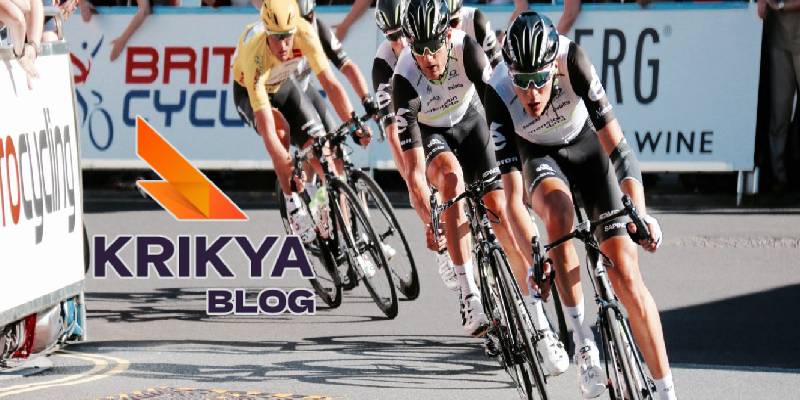
How to Bet on Cycling in-play requires an understanding of how live odds react to race state. Breakaways can create early leaders on the road, but the market must evaluate whether the peloton will allow the gap to persist. If sprint teams are committed, the break may be controlled. If teams are fatigued or disorganized, the break can survive, especially on rolling terrain or in bad weather.
Time gaps are the core live input. A small gap with many kilometers remaining can be less meaningful than a slightly larger gap approaching a technical finale. The presence of strong time trialists or strong descending specialists can also influence whether a gap is expected to grow or shrink. In mountain stages, the time gaps between leaders can expand quickly after a sustained attack, especially if a team cannot control the tempo.
Crashes, mechanicals, and splits are high-impact events that can alter both stage and overall outcomes. Some race rules include timing protections in specified zones near the finish on sprint stages, but application depends on the event regulations. Live market suspension is common around incidents because information arrives rapidly and must be validated by official timing sources. For cycling, this makes the official race feed and timing control decisive for settlement and repricing behavior.
Settlement Rules Abandonments And Classification Changes
How to Bet on Cycling requires careful attention to settlement definitions because cycling includes several special cases. A rider can abandon due to injury or time limit elimination, and that can affect head-to-head and classification markets immediately. If a market is based on a stage result, only the stage finishers are relevant. If a market is based on general classification, completion of the race is usually required, and abandoning typically grades as a loss in placement-based markets.
Disqualifications and time penalties can also change results after the finish. Drafting violations in time trials, irregular sprinting lines, and rule breaches can lead to relegations or time additions, which can adjust placings. Anti-doping outcomes are generally handled under sportsbook house rules, with most books settling on the official result at a defined time rather than reopening markets later. Market terms typically specify whether settlements are based on podium ceremonies, official timing releases, or later decisions by organizers.
Stage races introduce additional complexity in classification markets. The general classification is cumulative time, and the official time gaps are determined by race timing. Team classification and points classifications are settled on published standings. For these markets, the official classification tables are the settlement source, and any corrections released by organizers within the event can affect grading depending on house rules.
How to Bet on Cycling With Discipline And Clear Tools

How to Bet on Cycling is most sustainable when bankroll planning is aligned with the sport’s variance. Cycling includes unpredictable incidents and tactical uncertainty, especially in one-day races and in sprint stages where positioning is decisive. A disciplined approach typically starts with market selection that matches confidence level, such as using top-finisher markets to reduce outcome volatility when outright winners are difficult to separate.
How to Bet on Cycling also benefits from consistent stake sizing across a calendar. Cycling schedules can be dense, and frequent events can encourage overexposure without clear limits. Budget controls such as time caps, stake caps, and cooling-off tools are practical safeguards in a high-frequency environment. The goal is to keep decision-making stable across both pre-race and live markets.
How to Bet on Cycling krikya11 can be presented most effectively when a sportsbook displays race format, market scope, and settlement notes clearly for each event. Within jijibdt, How to Bet on Cycling is supported by structured cycling pages that separate stage winner, head-to-head, and classification markets while keeping live time gaps, market suspensions, and grading scope visible in a consistent layout. This transparency supports informed selection by aligning pricing with race context and by keeping settlement logic easy to interpret across different cycling formats.

CEO Marcus Felicity (born 1978) is Founder & CEO of Krikya11, Bangladesh’s leading online casino serving 500K+ players since 2022. With 17+ years in Asia iGaming, including Senior Director at Dafabet (2015-2021) and Regional Manager at Bet365, Marcus holds an MBA from London School of Economics. He won “Asia iGaming CEO of the Year 2023” and “Top 40 Under 40 Asia” (Forbes 2022).
Contact Info:
CEO Marcus Felicity
Website: https://highproteinnutrition.co.uk/ceo-marcus-felicity-krikya11/
Phone: +8801885306657
Address: 90 Shahid Fazlul Haq Rd, Dhaka 1229, Bangladesh
Email: highproteinnutrition.co.uk@gmail.com
#marcusfelicity #ceomarcusfelicity #krikya11ceo #igamingasia #leadership #aiangamingawards #bangladeshbusiness #fintechInnovation