
Virtual Greyhound Racing is a computer-simulated racing product designed to replicate the structure and betting framework of traditional greyhound racing. Unlike live events, Virtual Greyhound Racing outcomes are generated using certified random number systems and pre-programmed performance variables. Races are displayed through animated simulations that mirror real track conditions and competitive pacing.
Understanding Virtual Greyhound Racing requires examination of race structure, betting markets, odds calculation, probability modeling, volatility classification, and payout procedures. This guide explains how Virtual Greyhound Racing operates and how sportsbooks structure wagering options around its simulated events.
Core Structure Of Virtual Greyhound Racing

Virtual Greyhound Racing follows a fixed race format featuring multiple runners competing over a designated track distance. Each race is independent and generated by an algorithm before the animation begins.
See more:
- Virtual Tennis Betting – Live Odds & 24/7 Matches Krikya11
- Virtual Football Betting – Live Odds & Matches at Krikya11
Race Format Overview
- Typically Six Or Eight Runners
- Standardized Track Distance
- Predefined Starting Boxes
- Automated Outcome Generation
The outcome of Virtual Greyhound Racing is determined prior to the visual presentation, ensuring statistical independence between races.
See more:
- Virtual Horse Racing – Live Betting & Odds at Krikya11 BD
- Virtual Basketball Betting – Live Odds & 24/7 Matches BD
Outcome Generation And Randomization

Virtual Greyhound Racing uses a certified random number generator to determine finishing order. Performance attributes assigned to each virtual runner may influence probability weighting within predefined parameters.
Although animations display pace variation and track movement, these elements reflect pre-calculated results rather than influencing outcomes in real time.
Each race is statistically independent from previous results.
Common Betting Markets In Virtual Greyhound Racing
Virtual Greyhound Racing offers wagering markets similar to live greyhound events.
- Win Market
- Place Market
- Exacta Market
- Trifecta Market
- Forecast Cricket Betting
The win market requires selection of the runner finishing first. Exacta and trifecta markets require correct prediction of finishing order for two or three runners respectively.
Odds Formats And Probability Modeling
Virtual Greyhound Racing odds are typically presented in decimal format, though fractional or American formats may also be available. Pricing reflects implied probability based on programmed performance distributions.
Return = Stake × Decimal Odds
Implied probability equals one divided by the decimal odds value. The bookmaker margin is incorporated within pricing across all runners to balance risk exposure.
Odds may vary between races depending on assigned probability weighting for each virtual greyhound.
Volatility Profile Of Virtual Greyhound Racing

Virtual Greyhound Racing is categorized as medium to high volatility depending on selected market type. Win bets generally carry moderate variance, while exacta and trifecta bets introduce higher volatility due to multiple outcome conditions.
- Single Outcome Win Market Lower Variance
- Multi-Outcome Combination Markets Higher Variance
- Short Race Duration Increases Frequency
Because races occur at regular intervals, cumulative volatility may increase during extended sessions.
Race Frequency And Scheduling
Virtual Greyhound Racing events are scheduled at frequent intervals, often every few minutes. This structured timing allows continuous wagering opportunities without reliance on live event calendars.
- Automated Race Scheduling
- Consistent Event Timing
- Independent Outcome Generation
- No External Weather Or Injury Variables
The controlled environment distinguishes Virtual Greyhound Racing from live racing formats.
Payout Structure And Settlement Rules
Payouts in Virtual Greyhound Racing follow standard sportsbook calculation methods:
Payout = Stake × Listed Odds
Settlement occurs immediately after race completion. Combination markets are settled based on exact finishing order as determined by the generated result.
All outcomes are verified according to certified system protocols.
Key Variables Influencing Market Pricing
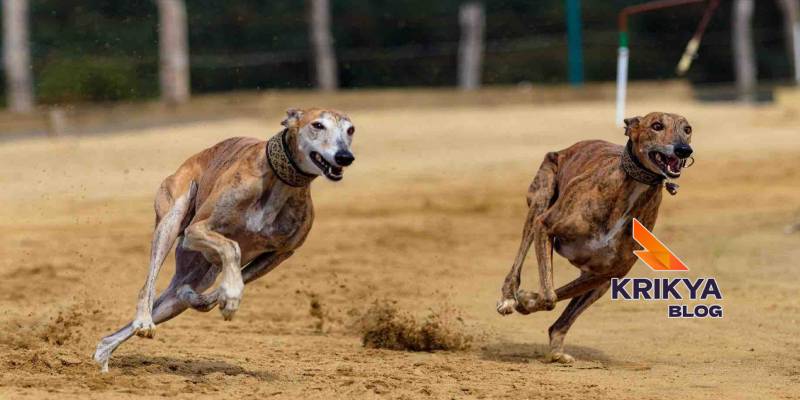
Although Virtual Greyhound Racing is algorithm-driven, sportsbooks may adjust pricing based on historical payout distribution and balanced book exposure.
- Assigned Runner Probability Weighting
- Bookmaker Margin Integration
- Market Demand Distribution
- Combination Bet Complexity
Each race remains independent from previous outcomes regardless of displayed historical results.
Comparison With Live Greyhound Racing
Virtual Greyhound Racing differs from live greyhound racing due to its simulated environment and absence of real-world variables.
- No Weather Or Track Condition Variability
- No Physical Injury Risk
- Fixed Algorithm-Based Outcomes
- Frequent Scheduled Events
This configuration positions Virtual Greyhound Racing within regulated virtual sports categories.
Session Planning And Stake Allocation
Structured bankroll management may support balanced exposure during Virtual Greyhound Racing sessions. Because events occur frequently, disciplined stake sizing may regulate cumulative variance.
- Define Stake Per Race
- Limit Exposure To High Variance Combination Bets
- Set Defined Session Duration
- Maintain Consistent Allocation Strategy
Balanced allocation may help manage volatility across multiple consecutive races.
Platform Transparency And Virtual Greyhound Racing At krikya11

Virtual Greyhound Racing is presented within structured virtual sports sections that emphasize transparent odds display and clearly categorized betting markets. At krikya11, Virtual Greyhound Racing includes accessible information regarding race scheduling, available wager types, and payout calculations.
Odds formats, potential returns, and settlement procedures are clearly displayed within the interface to support informed evaluation. Outcomes are generated using certified systems aligned with predefined operational standards.
By maintaining organized presentation and consistent disclosure of pricing parameters, krikya11 provides a structured environment in which Virtual Greyhound Racing can be evaluated according to its probability model, volatility profile, and payout transparency standards.
Conclusion
Virtual Greyhound Racing integrates simulated race presentation with structured betting markets and algorithm-based outcome generation. Its medium to high volatility classification reflects the balance between win markets and multi-runner combination wagers.
Through transparent odds presentation, defined settlement procedures, and certified outcome generation systems, Virtual Greyhound Racing aligns with established virtual sports wagering principles. When evaluated within a transparent platform environment, Virtual Greyhound Racing presents a clearly defined betting framework centered on structured probability and regulated result determination.

CEO Marcus Felicity (born 1978) is Founder & CEO of Krikya11, Bangladesh’s leading online casino serving 500K+ players since 2022. With 17+ years in Asia iGaming, including Senior Director at Dafabet (2015-2021) and Regional Manager at Bet365, Marcus holds an MBA from London School of Economics. He won “Asia iGaming CEO of the Year 2023” and “Top 40 Under 40 Asia” (Forbes 2022).
Contact Info:
CEO Marcus Felicity
Website: https://highproteinnutrition.co.uk/ceo-marcus-felicity-krikya11/
Phone: +8801885306657
Address: 90 Shahid Fazlul Haq Rd, Dhaka 1229, Bangladesh
Email: highproteinnutrition.co.uk@gmail.com
#marcusfelicity #ceomarcusfelicity #krikya11ceo #igamingasia #leadership #aiangamingawards #bangladeshbusiness #fintechInnovation