
Teen Patti 3 Card is a streamlined card game format derived from traditional Teen Patti mechanics, focusing on fixed three-card hands and predefined betting options. The game is widely recognized for its fast resolution, limited decision points, and clear hand ranking structure. In digital iGaming environments, Teen Patti 3 Card is commonly presented as a table-style game with automated dealing, simplified wagering windows, and instant hand evaluation. These characteristics make the format accessible while preserving the familiar hierarchy of three-card combinations.
Unlike multi-round betting games that require ongoing strategic decisions, Teen Patti 3 Card is generally resolved within a single deal. Wagers are placed before the cards are revealed, and outcomes are determined by comparing the player hand against a dealer hand or against preset qualification rules, depending on the specific variant. Understanding Teen Patti 3 Card therefore depends on hand rankings, bet types, and the sequence in which the round is settled.
Game Objective And Structural Overview
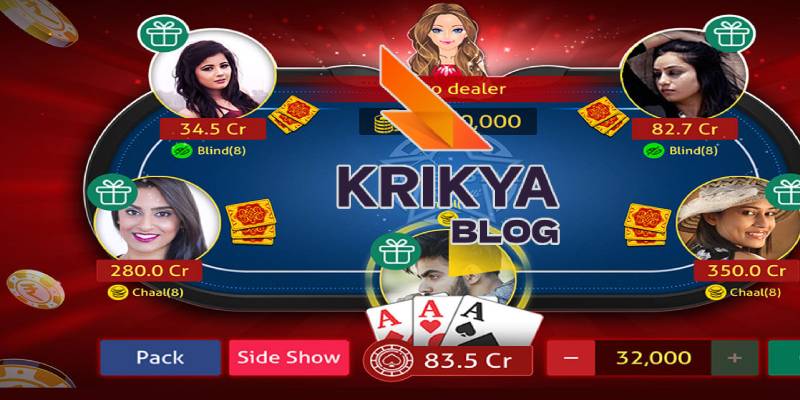
The primary objective in Teen Patti 3 Card is to hold a three-card hand that ranks higher than the opposing hand under the published ranking system. Most digital implementations follow a player-versus-dealer structure, where the dealer’s hand must meet a minimum qualification threshold for certain bets to resolve. If the dealer does not qualify, some wagers may push or receive alternative settlement, depending on the ruleset.
The game is typically played with a standard 52-card deck, with no jokers unless explicitly stated in the rules. Cards are shuffled automatically in digital formats, and each round is independent of previous outcomes. Because the game resolves in a single comparison, round duration is short, and the emphasis is placed on clarity of ranking and transparent settlement rather than on extended betting decisions.
See more:
- Overwatch Betting – OWL Esports Live Odds & Tips 2026
- Virtual Football Betting – Live Odds & Matches at Krikya11
- Best Cricket Betting Odds at Krikya11 – Bangladesh 2026
Hand Rankings And Comparison Logic
Teen Patti 3 Card uses a fixed hierarchy of hand rankings, which must be understood to interpret outcomes correctly. While naming conventions may vary slightly across platforms, the relative strength order is consistent. Typical hand rankings from highest to lowest include:
- Trail or Three of a Kind
- Pure Sequence or Straight Flush
- Sequence or Straight
- Color or Flush
- Pair
- High Card
In a Trail, all three cards share the same rank. A Pure Sequence consists of three consecutive ranks of the same suit, while a Sequence uses consecutive ranks of mixed suits. A Color is any three cards of the same suit that are not consecutive. Pair hands include two cards of the same rank, with the third card acting as a kicker. High Card hands are ranked by the highest individual card when no other combination applies.
When hands fall within the same category, comparison is based on rank values. For example, a higher-ranked Trail beats a lower-ranked Trail, and within High Card hands, the highest card determines the winner, followed by secondary cards if required. These comparison rules are generally automated in digital products, but the ranking table should remain accessible for verification.
See more:
- Crash Cricket – Live Cricket Crash Game at Krikya11 BD
- Tennis Betting Online – Live ATP, WTA & Grand Slam Odds
Round Flow And Dealing Sequence

A standard Teen Patti 3 Card round begins with a betting phase. During this phase, wagers can be placed on the available betting options, such as the main hand comparison bet and any optional side bets. Once the betting window closes, the system deals three cards to the player position and three cards to the dealer position. Cards are usually dealt face down initially and then revealed simultaneously or in quick sequence.
After the reveal, the game evaluates whether the dealer hand meets the qualification requirement, if applicable. Dealer qualification rules vary, but a common threshold requires the dealer to hold at least a specified hand strength, such as a certain high card rank or better. If the dealer qualifies, the player hand is compared directly against the dealer hand to determine the outcome of comparison-based bets.
Results are displayed immediately after evaluation. A results panel typically highlights the winning hand, the hand rankings involved, and the settlement for each active bet. This immediate resolution supports transparency and allows the next round to begin without delay.
Main Bets And Standard Payout Structure
The primary wager in Teen Patti 3 Card is often referred to as the main or ante-style bet. This wager is resolved by comparing the player hand to the dealer hand, subject to dealer qualification. If the dealer does not qualify, the main bet may push or pay according to a reduced payout rule. If the dealer qualifies and the player hand ranks higher, the bet wins. If the dealer hand ranks higher, the bet loses.
Payout ratios for the main bet are typically fixed and displayed in the game interface. In many implementations, a winning main bet pays at even money, while side conditions determine additional payouts. Because payout phrasing can differ between platforms, the paytable should be treated as the authoritative reference for net returns and settlement behavior.
Some variants also include a bonus payout on the main bet when the player hand reaches certain ranking thresholds. These bonuses are usually independent of whether the dealer qualifies, though the exact rule should be confirmed within the game’s help section.
Side Bets And Bonus Features

Teen Patti 3 Card commonly includes optional side bets that focus on the strength of the player hand rather than on comparison with the dealer. These side bets are settled solely based on the player’s three cards and typically pay according to a posted bonus table. Higher-ranked hands receive larger payouts, while low-ranked hands result in a loss of the side bet.
Examples of side bets can include:
- Hand strength bonus bets
- Pair-plus style bets based on player hand only
- Fixed-rank bonus wagers tied to specific combinations
Because side bets are independent of the main comparison, they can resolve as wins even when the main bet loses, and vice versa. This separation should be clearly explained in the interface to avoid confusion during settlement. Bonus tables are most effective when they list hand categories alongside payout multiples in a readable format.
Digital Variants Interface And Pace
In digital environments, Teen Patti 3 Card is usually delivered as an RNG-based table game and Cricket , though live dealer versions also exist. RNG versions emphasize speed and consistency, with automated shuffling, instant dealing, and rapid settlement. Live dealer formats add a studio environment and real cards, with a slightly slower pace driven by dealing procedures and betting timers.
Interface design plays a key role in usability. Effective layouts highlight the player and dealer hands clearly, display hand rankings next to each hand, and provide a persistent paytable or information panel. Because the game resolves quickly, clarity during the reveal phase is critical. Visual cues such as hand highlights, ranking labels, and win indicators help reinforce understanding of the outcome.
Mobile optimization is also common. Touch-friendly betting controls, adjustable chip values, and responsive card displays support consistent play across devices. Animation effects are typically brief and designed not to obscure card faces or ranking labels.
Fairness Standards And Responsible Play Controls
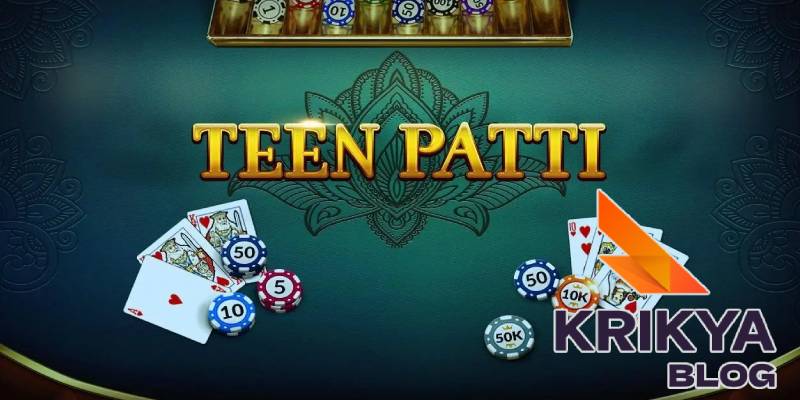
Fairness in Teen Patti 3 Card depends on the integrity of card shuffling, dealing logic, and hand evaluation. In RNG implementations, random number generation is used to simulate deck shuffles and card draws. In live dealer versions, physical procedures and camera coverage support transparency. In both cases, the rules governing hand ranking and dealer qualification must be applied consistently.
Responsible play tools are generally provided at the platform level. These can include spending limits, session duration reminders, cooling-off periods, and self-exclusion options. Because Teen Patti 3 Card rounds resolve quickly, session pacing can be rapid, making limit-setting tools particularly relevant. Clear access to account controls and consistent enforcement of limits contribute to a structured and predictable experience.
Teen Patti 3 Card Presentation Within krikya11
Within krikya11, Teen Patti 3 Card can be promoted as a focused three-card table game that emphasizes clarity, speed, and transparent hand comparison. The format benefits from a clean interface that keeps hand rankings visible, highlights dealer qualification rules, and provides easy access to bonus tables for side bets. When delivered with stable performance and consistent rule disclosure, Teen Patti 3 Card is positioned as an efficient option for those seeking fast-resolution card gameplay within the broader table game catalog, combining familiar Teen Patti hand logic with a simplified, single-deal structure.

CEO Marcus Felicity (born 1978) is Founder & CEO of Krikya11, Bangladesh’s leading online casino serving 500K+ players since 2022. With 17+ years in Asia iGaming, including Senior Director at Dafabet (2015-2021) and Regional Manager at Bet365, Marcus holds an MBA from London School of Economics. He won “Asia iGaming CEO of the Year 2023” and “Top 40 Under 40 Asia” (Forbes 2022).
Contact Info:
CEO Marcus Felicity
Website: https://highproteinnutrition.co.uk/ceo-marcus-felicity-krikya11/
Phone: +8801885306657
Address: 90 Shahid Fazlul Haq Rd, Dhaka 1229, Bangladesh
Email: highproteinnutrition.co.uk@gmail.com
#marcusfelicity #ceomarcusfelicity #krikya11ceo #igamingasia #leadership #aiangamingawards #bangladeshbusiness #fintechInnovation