
Digital sports simulations have become an established feature within modern gaming platforms, offering automated sporting events that run continuously throughout the day. Virtual Football represents a simulation-based format where computer-generated teams compete in matches that follow the structure of traditional football competitions. These matches are displayed through animated graphics while outcomes are determined by statistical algorithms and certified random number generation.
Unlike live football matches that depend on real-world schedules, Virtual Football operates through a continuous automated system. New matches are generated at regular intervals, allowing players to observe frequent game cycles. Through digital animations and structured probability models, Virtual Football replicates the rhythm of real football within a condensed and rapidly repeating format.
Overview Of Virtual Football Simulation
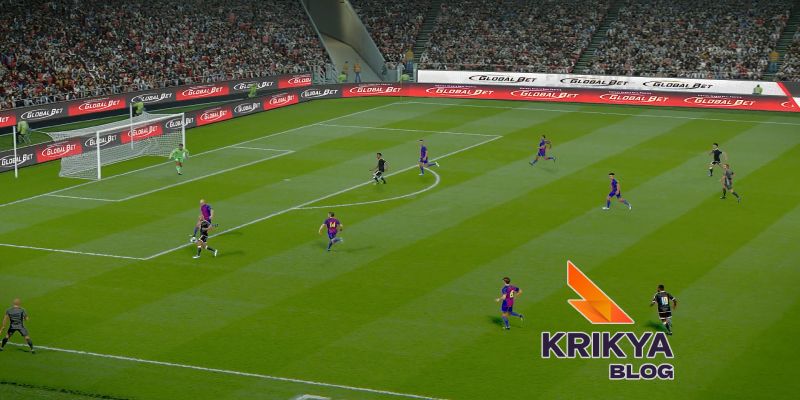
The foundation of Virtual Football is a computer-generated sports simulation designed to resemble professional football matches. Teams consisting of digital players compete within an animated stadium environment where key moments such as passes, tackles, shots, and goals are presented through short highlight sequences.
Before each match begins, the platform assigns statistical attributes to the competing teams. These attributes influence scoring probabilities and other match events. The system calculates the match outcome using a random number generator before the animation is displayed.
The animated simulation then illustrates the calculated result by presenting a series of highlight moments that represent the progression of the match. Through this approach, Virtual Football Cricket combines statistical modeling with visual storytelling.
Match Format And Duration
Although Virtual Football mirrors the structure of traditional football competitions, the match duration is significantly shortened. While real football matches typically last ninety minutes, simulated matches conclude within a brief animated sequence.
Most virtual football simulations follow the standard two-half match format used in traditional football. However, each half is condensed into a short visual segment that displays important events rather than continuous gameplay.
See more:
- Virtual Basketball Betting – Live Odds & 24/7 Matches BD
- Virtual Tennis Betting – Live Odds & 24/7 Matches Krikya11
| Game Element | Virtual Football Format |
| Teams | Computer Generated Teams |
| Match Structure | Two Halves |
| Match Duration | Approximately 1–2 Minutes |
| Outcome Determination | Random Number Generator |
| Match Frequency | Automated Continuous Events |
Because each match is completed quickly, the system can generate multiple matches within a short timeframe. This scheduling model allows Virtual Football to operate throughout the day without interruptions.
Core Gameplay Mechanics

The gameplay process of Virtual Football begins when two computer-generated teams are selected for the upcoming match. Each team is assigned performance attributes such as attacking strength, defensive ability, and scoring probability.
After the match begins, the animated simulation presents key moments including passes, dribbles, shots, and defensive actions. Rather than displaying every second of gameplay, the animation highlights important events that represent how the match unfolds.
Although the animation shows these moments visually, the result of the match has already been determined through the underlying random number generator. This ensures that each match outcome remains statistically independent.
See more:
- Virtual Horse Racing – Live Betting & Odds at Krikya11 BD
- Virtual Greyhound Racing – Bet 24/7 Online at Krikya11 BD
Scoring System In Virtual Football
The scoring structure used in Virtual Football follows the same principles as traditional football competitions. Teams score goals by successfully completing simulated attacking sequences that appear within the match highlights.
Common goal-scoring situations presented in the simulation include:
- Open play goals created through passing sequences
- Long-distance shots from outside the penalty area
- Penalty kicks awarded during simulated fouls
- Set-piece goals from free kicks or corner kicks
Each goal is displayed through a short animation that illustrates the scoring moment. At the conclusion of the simulation, the final score determines the winning team.
See more:
- Tennis Betting Online – Live ATP, WTA & Grand Slam Odds
- Overwatch Betting – OWL Esports Live Odds & Tips 2026
- Best Cricket Betting Odds at Krikya11 – Bangladesh 2026
Common Prediction Markets
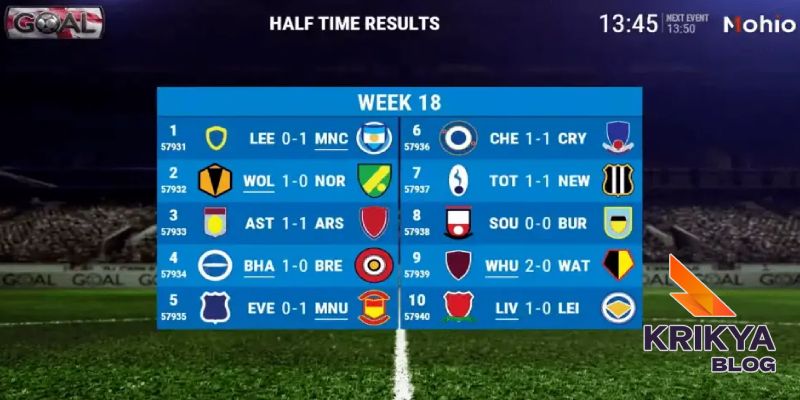
Many gaming platforms provide structured prediction markets for Virtual Football. These markets allow players to anticipate the outcome of upcoming matches based on the teams displayed before the simulation begins.
Typical prediction options associated with Virtual Football include:
- Match winner
- Total goals scored
- Correct score prediction
- Both teams to score
Because matches occur frequently, players can observe previous results and statistical patterns before selecting a prediction market. Each market is resolved according to the match outcome generated by the simulation system.
See more:
- Crash Cricket – Live Cricket Crash Game at Krikya11 BD
- Teen Patti 3 Card – Play Online Live at Krikya11 BD
Simulation Algorithms And Statistical Modeling
The technical framework behind Virtual Football relies on statistical algorithms designed to replicate football match dynamics. These models define probability ranges for goals, defensive actions, and overall match outcomes.
Before the animation begins, the random number generator calculates a sequence of events that determine the final score. The visual simulation then displays these outcomes through animated highlights.
This system ensures that every match remains independent while maintaining scoring patterns that resemble real football competitions.
Virtual Football Availability On krikya11 Platform
Online gaming platforms frequently integrate simulated sports events into their digital sports catalogs. Within the gaming environment available on krikya11, automated sports simulations such as Virtual Football appear alongside other virtual sports formats.
The interface provided by krikya11 organizes virtual sports through structured event schedules that display upcoming matches, participating teams, and available prediction markets. This allows players to review match information before each simulation begins.
Matches within the krikya11 platform operate through standardized digital systems designed to maintain consistent animation quality and statistical accuracy across devices. Whether accessed through desktop or mobile platforms, Virtual Football simulations operate under identical gameplay conditions.
Through the integration of automated sports simulations, the krikya11 platform demonstrates how digital sports formats such as Virtual Football function alongside casino games and sportsbook markets within a unified gaming environment.

CEO Marcus Felicity (born 1978) is Founder & CEO of Krikya11, Bangladesh’s leading online casino serving 500K+ players since 2022. With 17+ years in Asia iGaming, including Senior Director at Dafabet (2015-2021) and Regional Manager at Bet365, Marcus holds an MBA from London School of Economics. He won “Asia iGaming CEO of the Year 2023” and “Top 40 Under 40 Asia” (Forbes 2022).
Contact Info:
CEO Marcus Felicity
Website: https://highproteinnutrition.co.uk/ceo-marcus-felicity-krikya11/
Phone: +8801885306657
Address: 90 Shahid Fazlul Haq Rd, Dhaka 1229, Bangladesh
Email: highproteinnutrition.co.uk@gmail.com
#marcusfelicity #ceomarcusfelicity #krikya11ceo #igamingasia #leadership #aiangamingawards #bangladeshbusiness #fintechInnovation